Polish Town: Exploring Riverhead's Rich Polish History
 By Marc Horowitz
Polish culture has been an integral part of Riverhead’s DNA for almost 150 years, ever since immigrants from Warsaw, Krakow and countless smaller cities and villages began arriving en masse on the East End in the late 19th century.
In fact, according to documents archived at the Suffolk County Historical Society, approximately one in five Long Islanders and one in four Riverheaders can claim at least some Polish ancestry.
Until a decade or two ago, the neighborhood known as Polish Town, an eight-square-block area within easy strolling distance of downtown Riverhead, was the center of Polish life on the East End. But these days, there aren’t nearly as many Poles as there used to be in Polish Town. The area has evolved into a multicultural neighborhood.
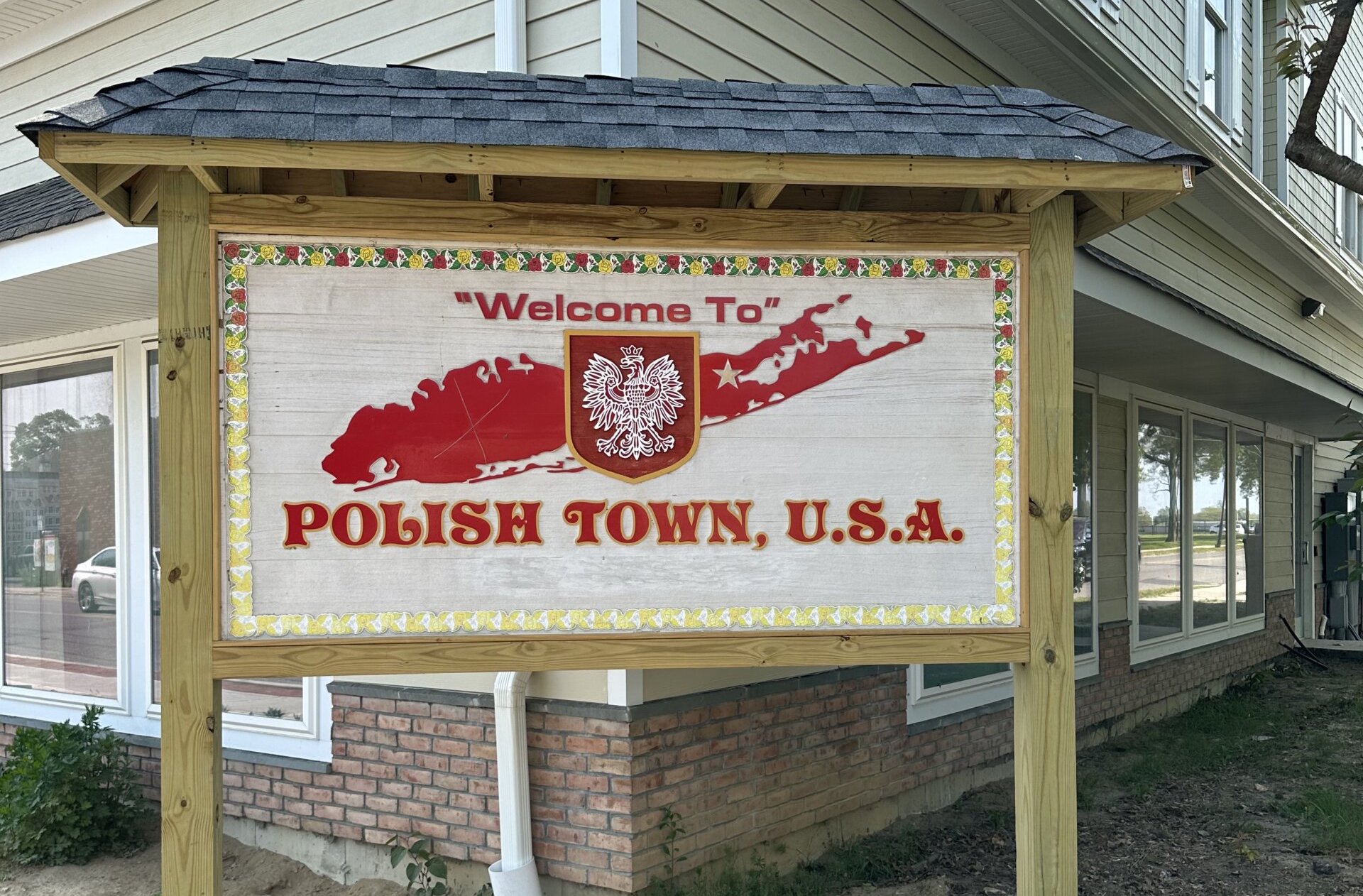
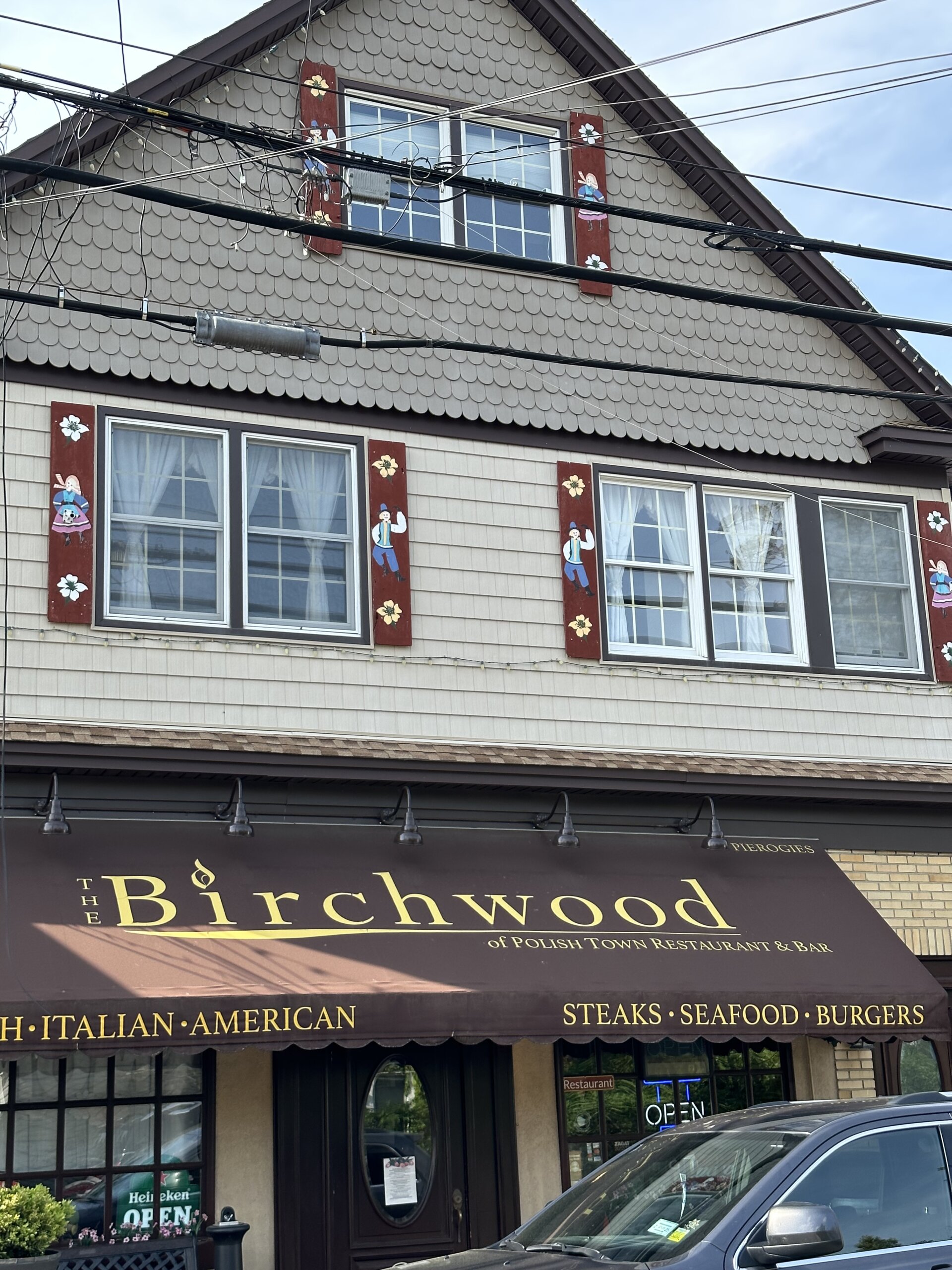
While Polish Town doesn’t exude the same distinctly Eastern European vibe as it once did, a few touchstones remain. For example, a handful of commercial buildings and private homes in town still display colorful images of traditional characters and floral patterns, a form of Polish folk art known as wycinanki.
Also emblazoned on multiple structures is the image of the Polish white eagle, which in the year 1295 became the official emblem of the Reunited Kingdom of Poland — a full 500 years before the United States adopted the bald eagle as its national symbol. According to legend, in the 18th century, an immigrant smuggled a white eagle out of Poland and brought it to America, where it escaped into the wilderness and mated with a native bird.
Formerly known as Cemetery Street, Polish Town’s main drag was officially renamed Pulaski Street in 1929 in honor of General Casimir Pulaski, who 150 years earlier had fought and died for the United States during the Revolutionary War.
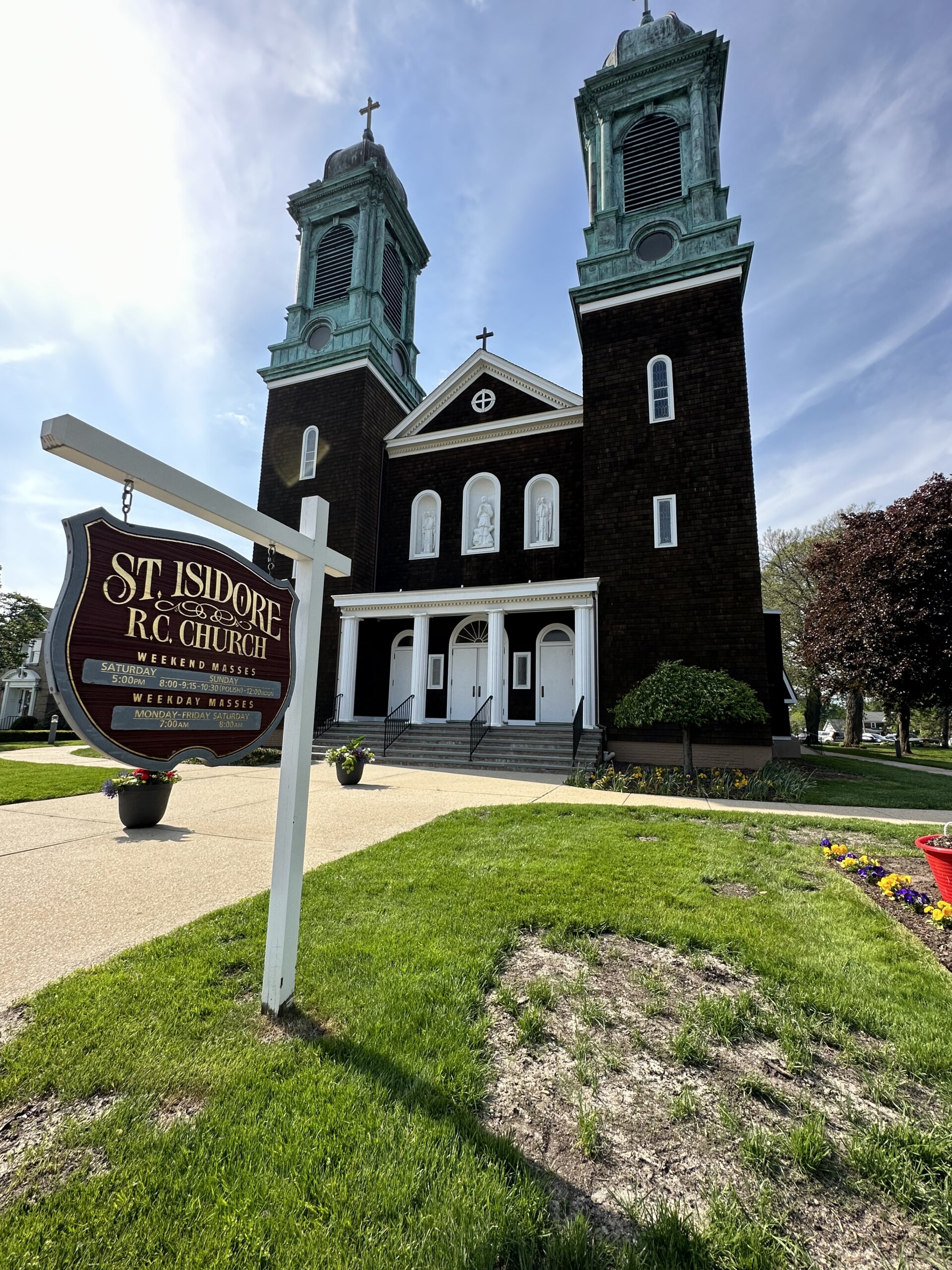
As it has for over a century, St. Isidore Roman Catholic Church on Pulaski Street anchors the neighborhood. The Church’s original twin-spiredstructure was built in 1906 by a group called the Polish Catholic Society of Fraternal Assistance under the patronage of St. Isidore, the Patron Saint of Farmers.
Home to the oldest Polish Roman Catholic parish on Long Island, St. Isidore has been lovingly maintained over the years and still conducts a Polish-language mass every Sunday and also regularly performs baptisms in Polish.
According to parishioners at St. Isidore, a small handful of older Poles still live within the confines of Polish Town. But most of the people who attend Polish-language services at the church travel to it from other areas of the East End and points further west.
If you’re looking for a more secular reason to visit Pulaski Street, head just up the block from St. Isidore to the Birchwood of Polish Town restaurant. Though the Birchwood offers a full menu of American and Italian fare, you’re going to want to seriously consider ordering the Polish combo platter, which overflows with generous servings of smoked kielbasa, pierogi, golomki and potato pancakes.
Another way to get your pierogi on is by attending the legendary Polish Town Street Fair and Festival. If current plans hold, the fair is scheduled to make its return this August after a three-year hiatus, first due to COVID-19 and then due to a confluence of community and organizational issues.
The Polish Town Civic Association, which has sponsored and staged the event since its inception in 1975, says this year’s fair is a go. But as of mid-May, no other details about planning or logistics were available. Past fairs have attracted thousands of visitors and sported upwards of 250 vendor booths featuring Polish food specialties and cultural exhibits.
The area now known as Polish Town was virtually unsettled before the first wave of Polish immigration. Poles came to Riverhead and other parts of the United States looking for economic opportunity and to escape the religious persecution that resulted during the Partitions, a period from the end of the 18th century to the early part of the 20th century when Poland as a sovereign nation didn’t exist.
It was carved up and divided, with different parts of the country’s territory under the control of Russian, Prussian and Austrian authorities.
Immigration records show that many Poles settled in Riverhead because of the work available on its numerous farms. (In the native language of the country, the name Poland translates to “land of fields.”) In 1905, a Polish farm worker in Riverhead could expect to be paid $10 per month plus room and board.
By the early 1900s, the Polish Town community was fully established. And during the area’s heyday, a Polish farmer making $120 a year could put a roof over his head and three meals a day in his belly. He could work, attend church services, socialize and shop for clothes, supplies and anything else he needed — all without having to speak a word of English.
While some vestiges remain, most of Polish Town’s old-world flavor has faded into the annals of Long Island history. But as noted in the official Town of Riverhead archives, “Many of the descendants of these early Polish immigrants are still in the area — many still on the land purchased by their forefathers. In less than two generations, the descendants of these immigrants are Riverhead’s land and homeowners, public officials, business people, doctors, lawyers, teachers, merchants, tradesmen and farmers.”
Vetted Hamptons Resources