From Global Ambassador to Neighborhood Icon: A Look Inside Louis Armstrong’s Life in Corona
 By Kylo Basnight
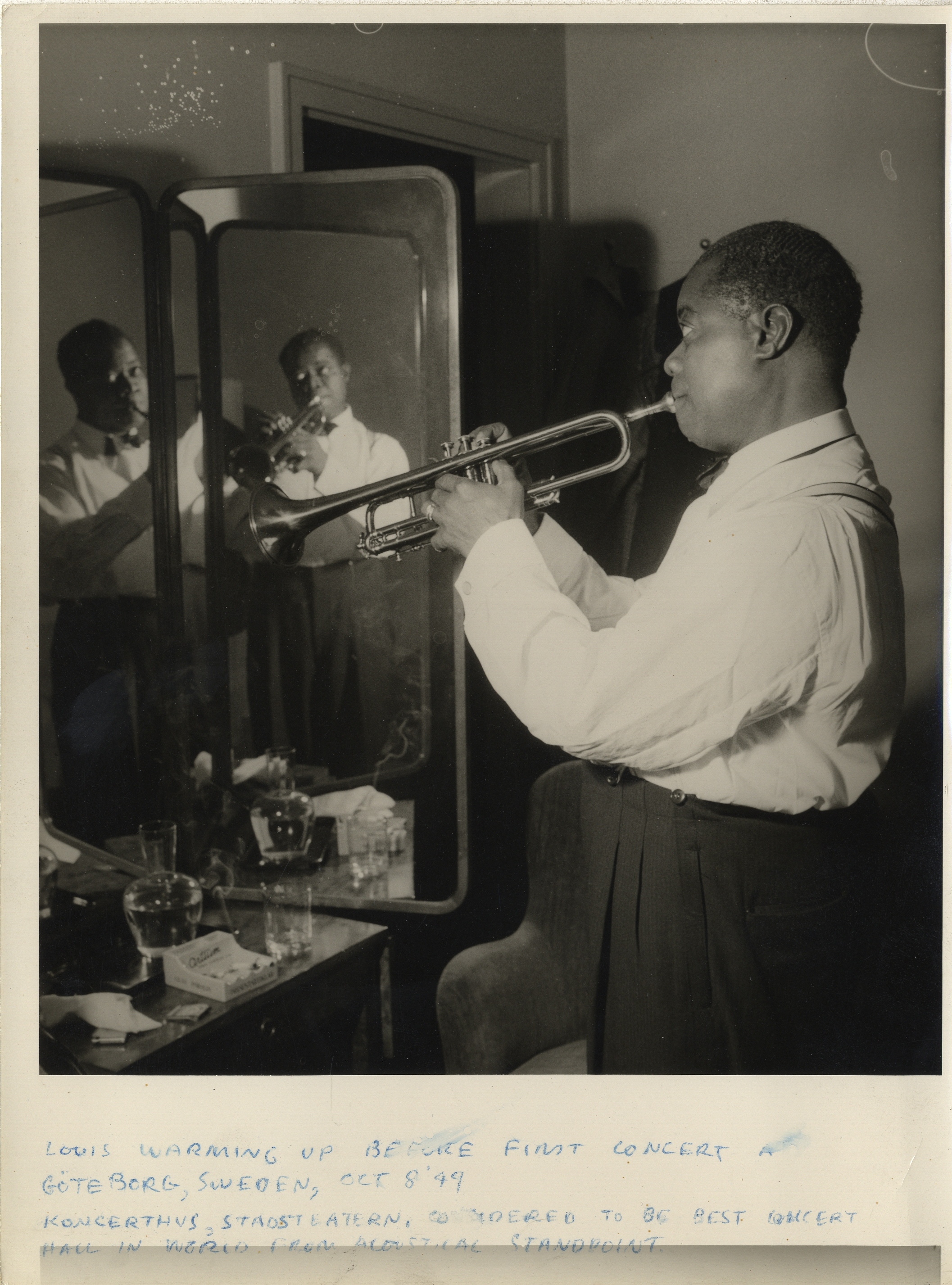
The man behind the superstar is just as inspiring.
Louis Armstrong’s legacy lives on in Corona, Queens, as well as his contributions to pop culture today.
I had the privilege and pleasure of visiting the Louis Armstrong House Museum in Corona last week. Officials designated the home as a historic landmark in 1977. He spent the last 30 years of his life here with his wife, Lucille Wilson; in 1988, the city designated the home a New York City landmark.
His wife, Wilson, secretly bought the home behind his back and surprised him when he returned from a tour. He disliked the idea at first, but after visiting the house, he fell in love. The home was so impressive that Wilson took her time with each room, from the futuristic aesthetic to the Asian decor; the intentionality is incredible.
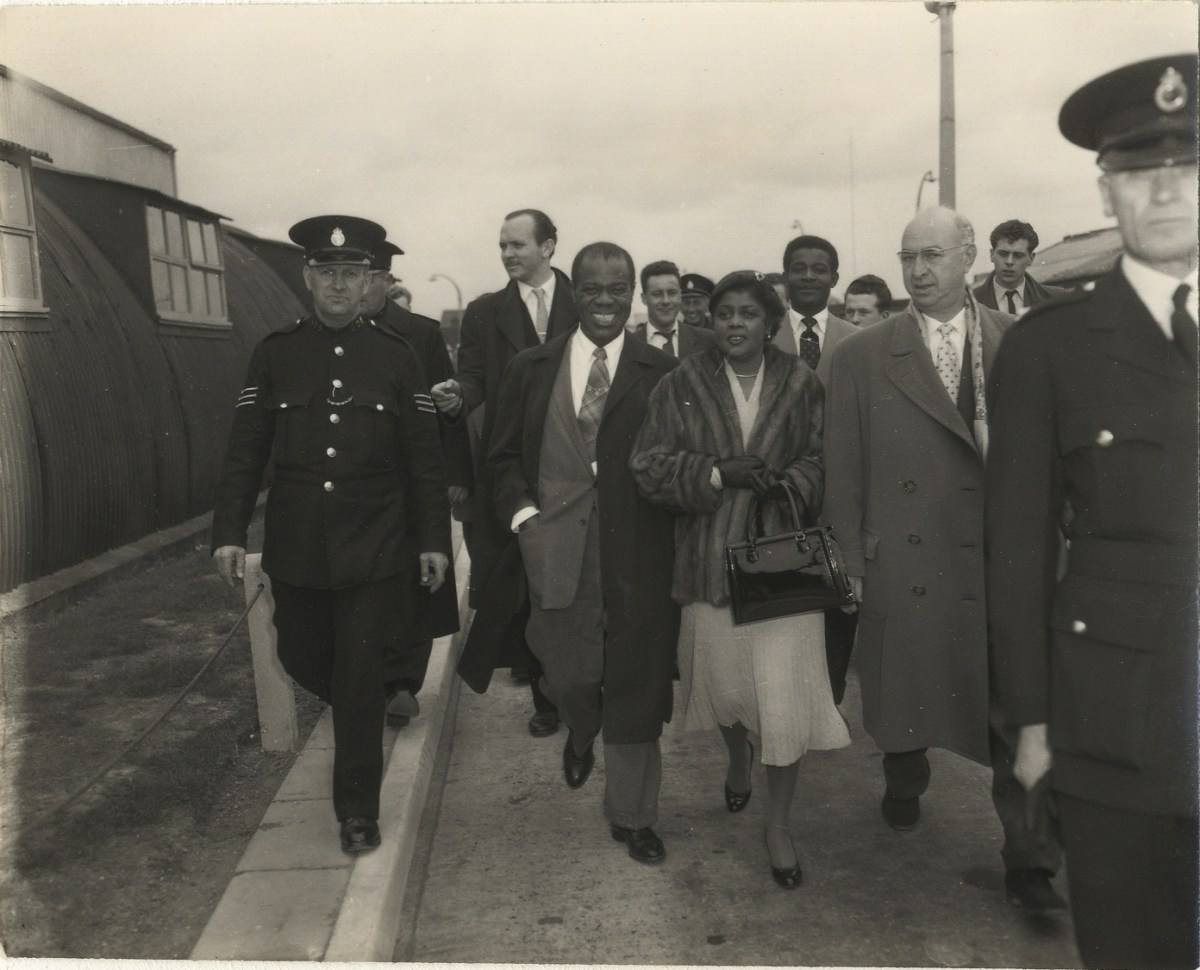
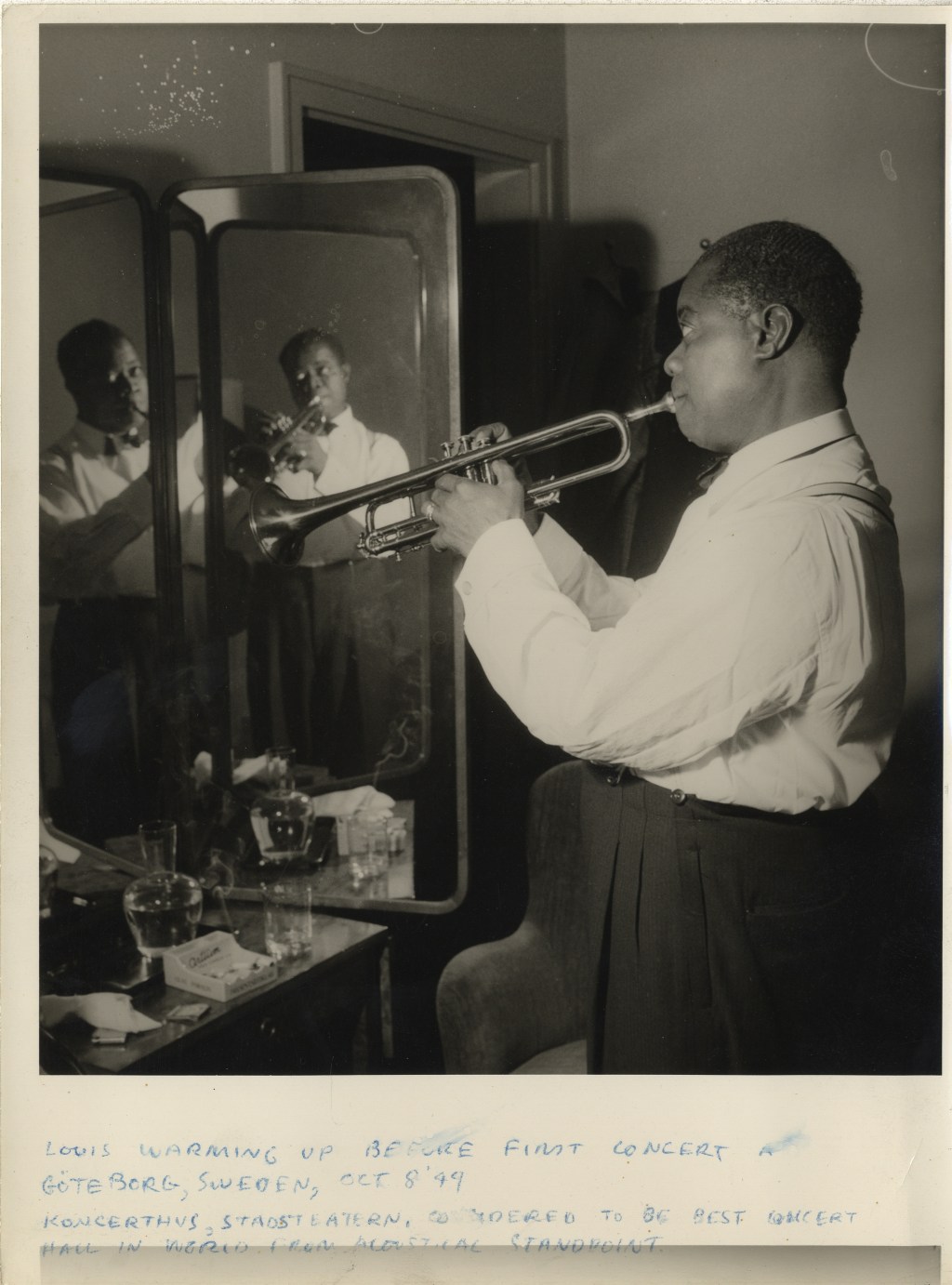
Attending this tour was eye-opening. Having the chance to hear about the man behind the legend was informative. This was a man who was considered an ambassador of the United States, yet he would come home to play his trumpet for all of the neighborhood to hear. In the accompanying exhibit, The Corona Collection, shown at the end of the tour, one Corona native recalled that, as a child, she would often knock on his door and ask him to come outside and play. Armstrong loved playing his trumpet for the neighborhood kids, spending time with them, and telling his stories; humble is an understatement.
For the museum’s special Black History installment, you hear stories straight from Armstrong as he discusses race during such a challenging time. Each room features built-in speakers that play Armstrong’s recordings—some are songs, while others are conversations. You hear the man behind the records, and a fabulous tour guide walks you through Louis Armstrong’s legacy.
Despite the world recognizing him as a global ambassador for the United States, he decided to speak out against the country following the Little Rock Nine debacle, where officials denied African American children the right to attend school. Critics often accused Armstrong of not being vocal enough, but this is where he drew the line: the kids. Armstrong criticized the President and urged him to personally escort the children to school and ensure their safety. The public reacted with widespread outrage, and many people hoped Armstrong would lose his ambassador status—but he didn’t care. He sought change long before the civil rights movement.
Along with the home tour, The Corona Collection exhibit—which, to me, is the heart of the museum—offers a deeper look into his life. The gallery features firsthand accounts of how Armstrong impacted the Queens community. A short film even gives the neighborhood a voice, with some of his neighbors sharing how he influenced their lives.
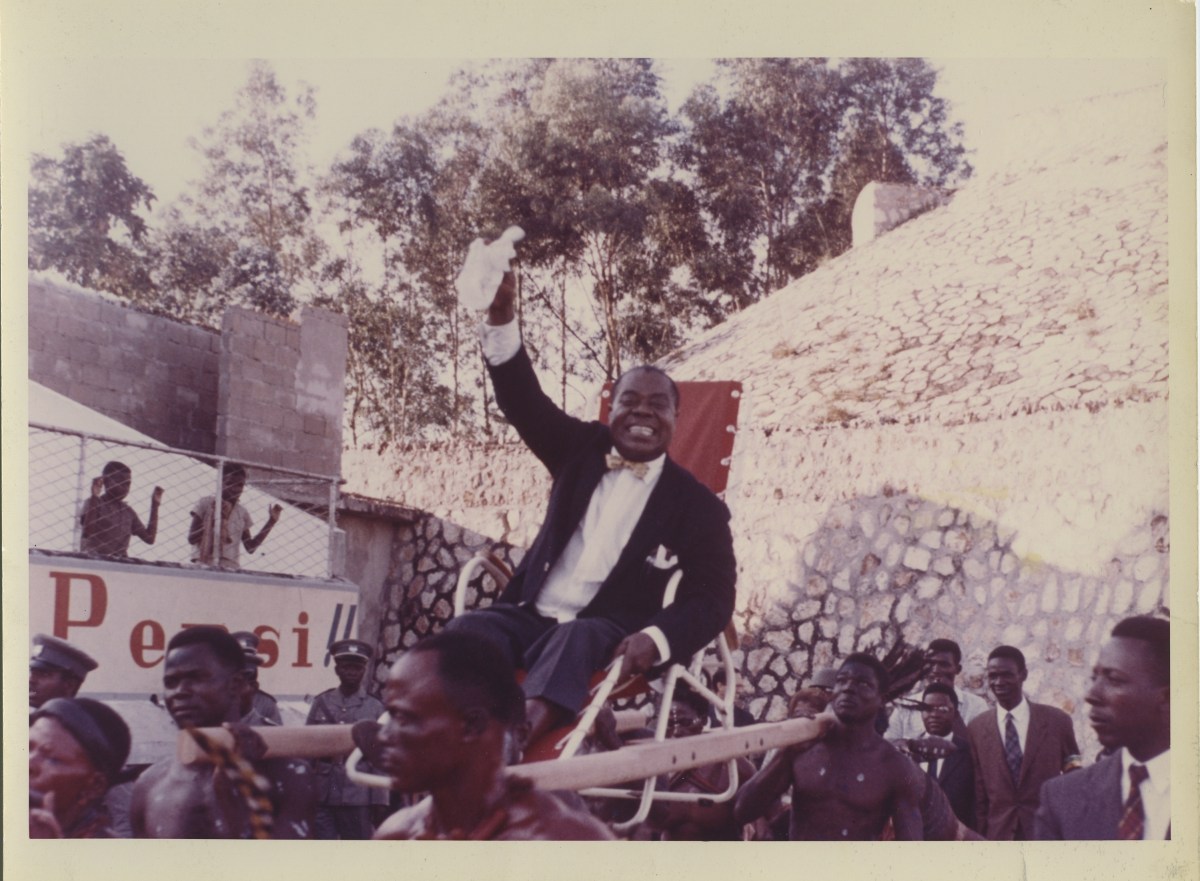
The Black History Month display will be on view through February, but the Louis Armstrong House Museum is open year-round. Be sure to visit and discover more about the man behind the legend.
Vetted Hamptons Resources