Chickens, Roosters & Eggs: Death Sentence in Greenport
 By Dan Rattiner
The whole idea of preserving the rural quality of the Hamptons began many years ago with an idea to save the farmland. Real estate prices were rising. Land was being fenced off with hedgerows. Mansions were being built. As for the farmers, particularly the potato farmers whose crops were the pride of Long Island, they were being forced to close because of the high taxes required by the rising land values.
An imaginative government solution saved much of the farmland. If the farmer sold the development rights to the county, the taxes, just calculated as farmland, were affordable. Many farmers took the county up on it. Hundreds, even thousands of acres of farmland were saved as a result. And the farming thrives today.
Soon, there was another way to save the farmland. Charge a 2 ¼% tax on high-end real estate transactions. Then use the money for, among other things, saving farmland.
In recent times, however, many of the owners of the grand homes that now dominate our community along with the farmland have come to see farming as the enemy. What they want to save is the view. Particularly if there is a dune or ocean to be enjoyed in the distance. A farm? A barn, a shed, a stable, a farmhouse and all that manure and noisy tractors is to be fought tooth and nail.
Five years ago, when saving the farms was under attack, billionaire Ron Lauder bought the Osborn Farm on Main Street, Wainscott. Hundreds of acres were planted in potatoes not only directly across the street from his property but also alongside it. It’s there today, although not an active farm at the moment. Indeed, Lauder felt so strongly about saving the farmland that last year when he felt the time had come to sell his holdings, he put it up for sale and sold it to the town for $11 million less than he paid for it. His gift to the community.
Now, however, the wealthy neighbors in Wainscott are fighting the town tooth and nail to keep any farming from happening. A big cow could ruin the view.
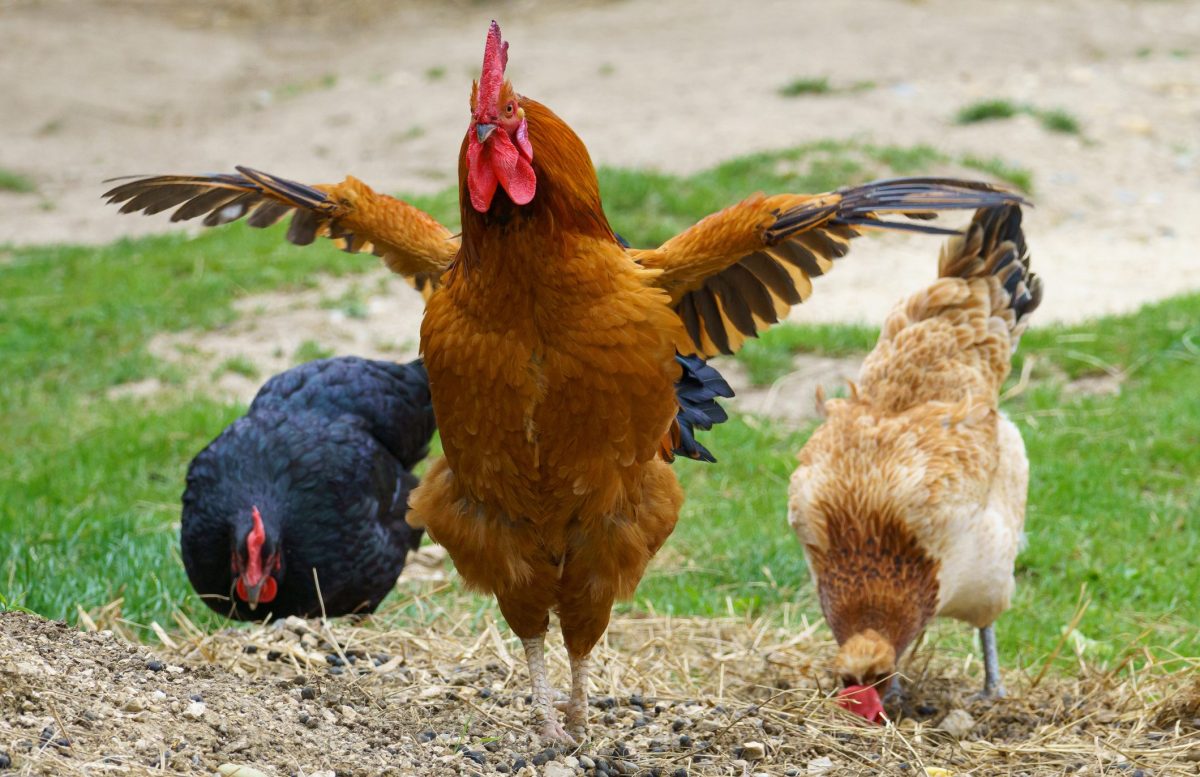
Meanwhile, up in Southold, neighbors are fighting to keep a barn from being built on what are 16 acres of former farmland. It is to be a barn for chickens. A really big barn for chickens. Inside he wants thousands of chickens, roosting there, laying eggs. It will become an egg farm. A viable agricultural business.
These neighbors say it’s a factory, a factory that will be noisy and smell bad. It also behaves cruelly toward chickens, having all of them in rows like that. And they accuse the town of not turning the application down instantly. But the town doesn’t see it that way.
“We’ve been asked to allow a barn,” one of the town board members says. “And that’s it. It’s an agricultural building. “What goes on inside is regulated by the state. Not us.”
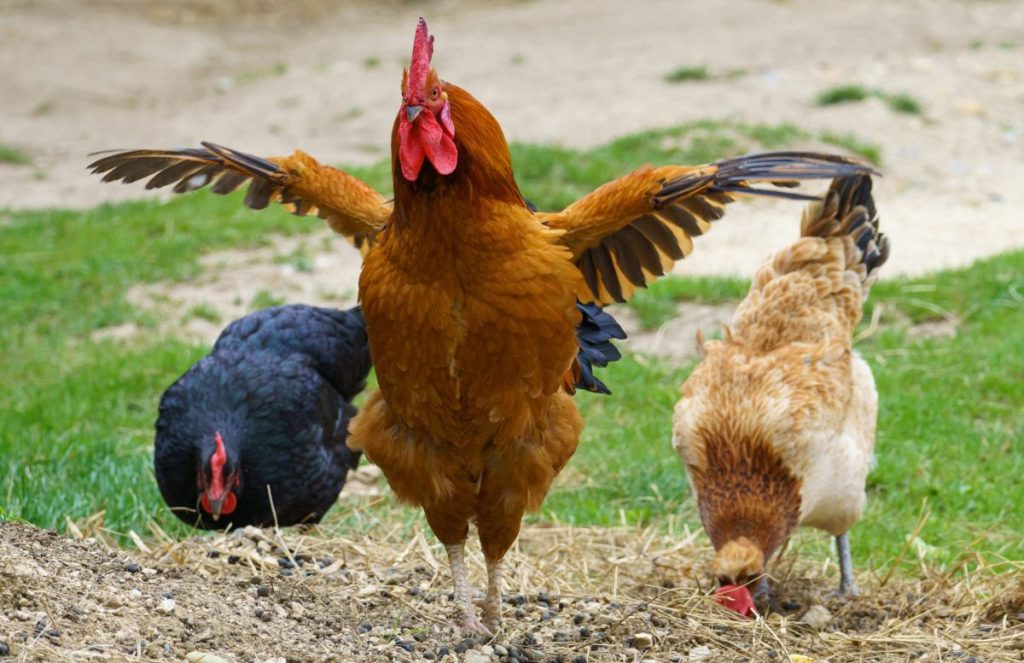
Going through back issues of Dan’s Papers the other day, I came upon a court case from 20 years ago when some neighbors in Greenport complained to the town that a cock-a-doodle-doo rooster was waking them every morning at some ungodly hour and they couldn’t stand it. There was a law in Greenport that said animals who annoy neighbors should be made to be quiet. If not, and it continues, they can be destroyed. The judge, however, was from a suburban town up-island that’s not farmland and apparently knew next to nothing about the noises animals make. She ruled that all the roosters and chickens next door should be destroyed. Then she banged a gavel and left.
Everyone in the courtroom, including the prosecution and defense lawyers, were appalled. Nobody had said anything about chickens. They go cluck, cluck cluck. Not a problem. But it was in the decision. What’s done is done. Defense told a reporter they’d appeal. And if it was denied? We’ll appeal further up, the defense said.
I don’t know how that turned out.
Further to all this is the fact that it is so easy to actually block the view to the horizon so cherished by all those folks who object.
For instance, there’s a 50-acre parcel of oceanfront farmland that abuts Daniels Lane in Sagaponack that was purchased not long ago by a man who owns a dairy business in New Jersey. He applied to put his home on the property plus 40 acres of tomato plants and go into the spaghetti sauce business by having a bottling plant on the property. No, no, no the neighbors said. They wanted that view over the potato field. The same unobstructed view that was there now.
Sagaponack Village has laws that preserve views. But it also allows farming. The buyer wouldn’t budge. Today the property has its views obstructed by trees. Trees can be considered tree farms and have legal agricultural use. Particularly tall ones that can be sold for hedgerows and Christmas. But none are being sold. Yet. And hovering over it stands a 40-foot-tall American flag waving in the wind. Take that, Sagaponack. No view for you!
And then there is the open-space fight on oceanfront land along Further Lane in East Hampton.
A codicil to the deed, agreed to by a prior buyer, requires the most easterly half of this property be preserved as farmland. That creates an open view from Further Lane and the ocean. So neighbors and those driving along would have an unobstructed view of the sea as they passed by. Supposedly.
The new owner, however, put in hedgerows to block the view as soon as he bought the place. It’s claimed that the hedges are an agricultural use. Neighbors say no it’s not. Lawyers for the new owner say a water trough they installed is to provide horses to drink water. But there are no horses. And the trough looks like a water sculpture. Neighbors have filed a lawsuit. Remove the hedgerows. B
ut the town is keeping out of the lawsuit. They acknowledge that the codicil is enforceable. But why should the town hire lawyers when the neighbors are already doing so? It’s a domestic squabble.
Really?
Vetted Hamptons Resources