
New Diabetes Drugs Are Changing Lives, But Not Everyone Can Access Them
 By Bernadette Starzee
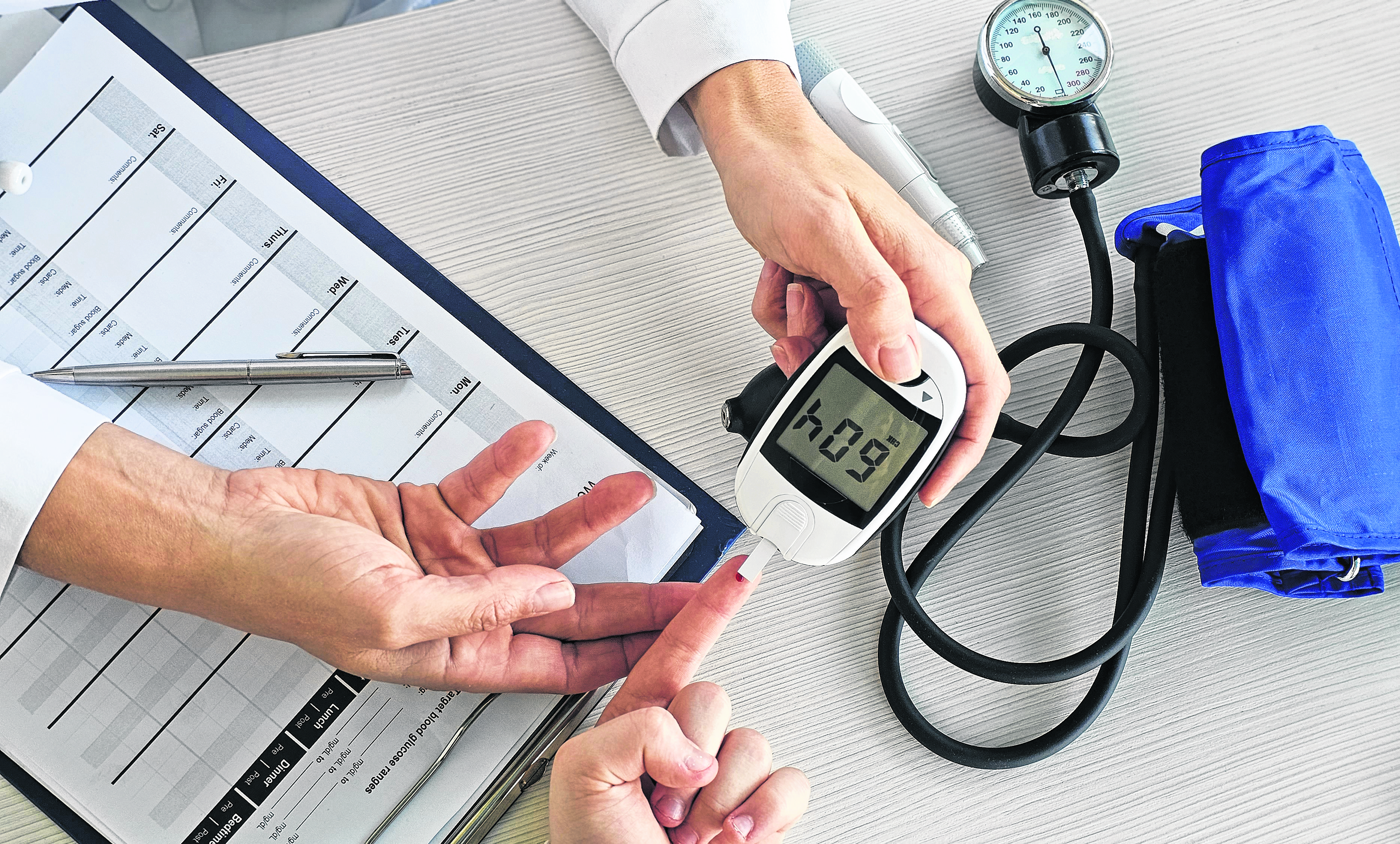
Breakthrough drugs to treat type 2 diabetes are transforming how clinicians manage the disease, improving blood sugar control, reducing cardiovascular and kidney complications, and promoting weight loss. But despite their proven benefits, high costs and other barriers prevent some people who could benefit from accessing these medications.
“Over the past 10 years or so, newer classes of drugs have demonstrated a lot of benefit in preventing progression of diabetes and mitigating the risk of death and hospitalization from cardiovascular disease,” says Eric Miller, a nurse practitioner and certified diabetes care and education specialist, who supervises diabetes programs at Plainview and Syosset Hospitals. “The earlier in the diagnosis that these medications are available, the better, as there are fewer instances of hospitalizations or cardiovascular events like strokes and heart attacks.”
A Shift in Diabetes Care
For decades, metformin was the standard first-line medication for people diagnosed with type 2 diabetes. But in recent years, large clinical trials have shown that newer classes of drugs — including GLP-1 receptor agonists (such as semaglutide, marketed as Ozempic and Wegovy) and SGLT2 inhibitors (such as empagliflozin, under the brand name Jardiance) — provide benefits beyond lowering blood sugar, including reducing cardiovascular events, preventing kidney disease progression and promoting meaningful weight loss.
That evidence prompted changes in clinical guidelines from professional societies such as the American Diabetes Association.
“GLP-1 receptor agonists and SGLT2 inhibitors are now preferred first-line therapies in patients with type 2 diabetes who also have atherosclerotic cardiovascular disease, heart failure or chronic kidney disease,” says Dr. Brooke Learned, an endocrinologist at Stony Brook Medicine. “The newest ADA guidelines emphasize an individualized approach. Many diabetes patients have comorbidities such as obesity, cardiovascular disease or chronic kidney disease. We consider these comorbidities in addition to the patient’s A1C number in determining the best treatment.” (An A1C test measures the average percentage of glucose in the blood for the past 90 days.)
According to Learned, GLP-1 receptor agonists can effect weight loss of up to 10% of body weight and reduce the risk of heart attack and stroke, even in people without diabetes. They can also improve metabolic dysfunction and fatty liver disease. A newer category, dual GIP/GLP-1 receptor agonists such as tirzepatide (marketed as Mounjaro for diabetes and Zepbound for weight loss), provide weight loss of up to 15% of body weight and many similar benefits to GLP-1 drugs, although more long-term studies are needed to confirm the cardiovascular benefits for dual GIP/GLP-1 receptor agonists, she notes.
This year, the World Health Organization (WHO) added several GLP-1 and dual GIP/GLP-1 receptor agonists to its Model List of Essential Medicines for adults with type 2 diabetes and comorbidities such as heart disease, kidney disease or obesity. WHO cited strong scientific evidence of their effectiveness in improving blood sugar control, reducing complications and lowering early mortality.
Barriers to Using These Medications
Cost remains a significant barrier for some patients who could benefit from these drugs.
“Insurance often covers these medications, but specific diagnostic codes are required,” Miller says. “Medicare and Medicaid have been providing more coverage, but for commercial insurance it depends on the plan. Even with insurance, monthly out-of-pocket costs can reach several hundred dollars per month with some plans.”
Shortages caused by skyrocketing demand, driven in part by the drugs’ popularity for weight loss, have also strained supply over the past couple of years, though Miller says those issues have “somewhat resolved.”
While cost is the biggest hurdle, other challenges exist. Most of these medications are injectable, which some patients find intimidating or difficult to administer.
“It requires a technical understanding and manual dexterity,” Miller says.
Gastrointestinal side effects, including nausea, abdominal pain, constipation and diarrhea, are also common, particularly early in treatment.
“Some people have intolerance at first,” Learned says. “But our bodies usually get used to them over time, and the side effects often fade after the first couple of weeks. Some people can tolerate these drugs by microdosing, which refers to taking a dose below what we would normally prescribe.”
For clinicians like Miller, the benefits of these medications for managing diabetes and related comorbidities are undeniable.
“Providers, as well as patients, have really appreciated any tools that help manage these chronic diseases so effectively,” he says. “These medications offer hope – real encouragement that these diseases can be managed effectively.”
Still, both Miller and Learned emphasize that medication alone isn’t enough.
“Lifestyle modifications are paramount,” Miller says. “Getting more physically active, eating a healthy diet, maintaining good nutrition — those benefits will last your whole life. A pill may help only as long as you take it, and it may become less effective as the disease progresses.”
Vetted Hamptons Resources