
Shelter Island History Museum, Sylvester Manor Team Up to Protect Artifacts

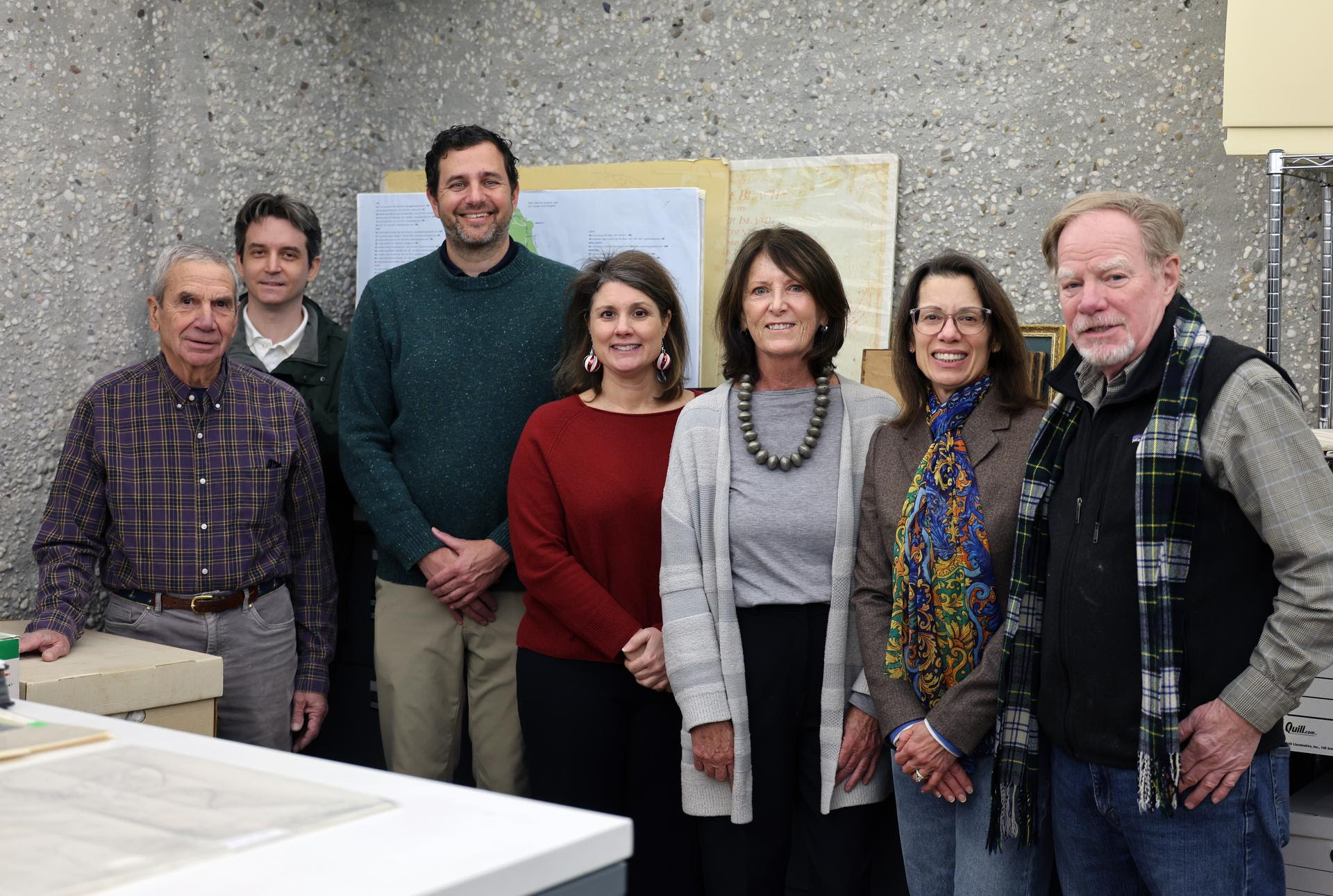
Two prominent historical groups on Shelter Island are collaborating to safeguard prized historical artifacts from getting damaged during the upcoming three-year rehabilitation of the 1737 Manor House.
Leaders of the Shelter Island History Museum and Sylvester Manor approved a lease agreement to store Sylvester Manor’s most significant artifacts in the museum’s climate-controlled, fire-proof vault during the renovation to ensure they remain accessible to researchers while the house undergoes its rehabilitation.
“As partners, we are making sure that the important documents of our Island’s history are preserved and made available to researchers, scholars and the public,” said History Museum Executive Director Nanette Lawrenson. “Documents from both organizations will serve as the basis for further collaboration on exhibits and programs. We look forward to working together to share stories about Shelter Island and the experiences of its people.”
Sylvester Manor, the most intact remnant of a former slaveholding plantation north of Virginia, sits on a 236-acre site settled in 1652 that is now on the New York and National Registers of Historic Places and includes the 1737 Manor House, a restored 19th-century windmill, an Afro-Indigenous Burial Ground, and a working farm, that hosts educational and cultural arts programs.
Shelter Island History Museum officials welcomed the opportunity to help protect local history.
“We are thrilled to be working with the Shelter Island History Museum to protect these precious resources during the Manor House construction,” said Sylvester Manor Executive Director Stephen Searl. “This partnership covers all three aspects of our mission — preserve, cultivate, and share historic Sylvester Manor.”
Vetted Hamptons Resources