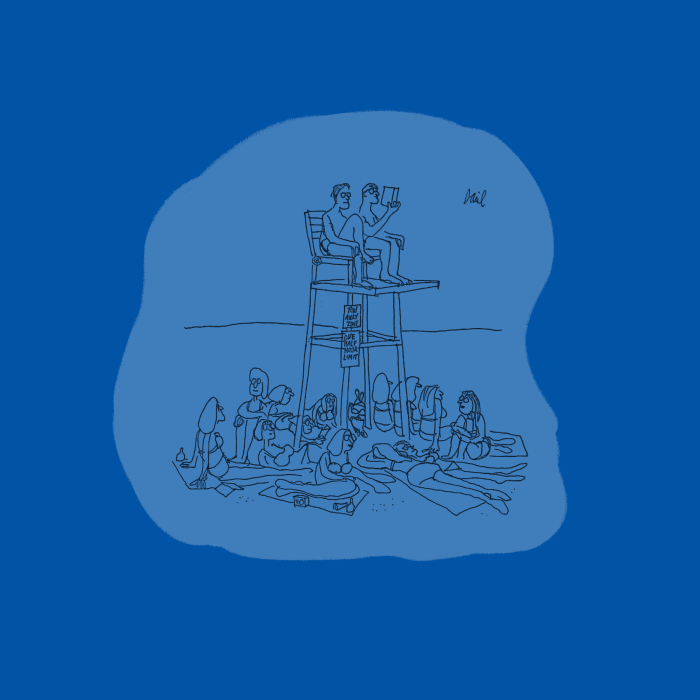
Ask Beatty: Know Thyself – It All Begins with You!


You’re single, divorced or widowed. You’re tired of being alone. You’re at a place in your life where you’re ready to find love again. Where to begin? Dating sites, an introduction service, singles clubs, adult education courses? Before jumping into the single’s scene it’s important that you take an honest, introspective look at yourself and your relationship history. What you may have been looking for in a partner when you were 20 or 30 may be very different than what you want and need today.
Your Homework- Acknowlege, Address And Resolve!
I want you to sit down in a quiet place without any interruptions or intrusions. You can write or type your answers so that you can read, re-read and edit them throughout this process. This exercise is going to take some time. It cannot be done in a few minutes. First, I want you to ask yourself what you are looking for in a partner. Of course, we all want someone who is successful and handsome. However, the ingredients that go into successful relationships depend on many factors over and above financial success or physical attractiveness.
Do you have clarity about what’s important for you today in a partnership? Have you given any thought to possible compromises – if any- that you are willing to make? Have your ideas about relationships changed over the years? In what ways? What changes if any, do you think that you may need to make in order to have a successful relationship? Was it your depression, anxiety, substance abuse, sexual abuse or other psychiatric problems that may have gotten in the way of your past relationships? Or was it your inability to communicate honestly in the first place, that caused your angst and unhappiness?
Did you confuse sex with emotional intimacy? And how often did you say yes when you really meant no? Did you enable bad behavior because you were afraid to rock the boat? Did your former partners have the emotional stability and communication and problem-solving skills necessary to maintain and sustain a healthy relationship? Did you? It’s always easy to blame others for the problems in our life. However, this time around I am asking you to dig deep and ask yourself how you contributed to the difficulties that you experienced in your past relationships.
This exercise is not about blame or judgment. The real question is what have you learned about yourself- if anything? And more importantly, what if any changes have you already made or perhaps need to make in order for you to be at the top of your potential relationship game as you move forward in this next phase of life?
Your Self-Assessment
Over the years I have received hundreds of letters and emails from both men and women expressing their frustrations and confusion about why their relationships have not worked out. Most blamed their partners. Typical complaints included their lovers lack of communication and problem-solving skills, abusive behavior of various kinds or their inability to express emotional intimacy. Few of the letter writers ever acknowledged that their own ‘skeletons in the closet’ or ‘unfinished business’ or their own problems communicating openly and honestly, may very well have been contributing factors to why their relationships didn’t work out.
This will involve taking off your blinders and asking yourself some serious questions about yourself including: your own mental health- the good, the bad and the ugly, possible ‘skeletons in your closet’, including early child sexual abuse or abuse of any kind- often originating in your own family of origin, and a clear understanding of your role in why your past relationships didn’t work out.
As I used to tell my daughter, the relationship needs to be the ‘icing on the cake’. We need to be the cake. So are you the ‘cake’ or have you been looking for the relationship, i.e. the ‘icing’ to make you whole and happy?
The Blame Game
“He did this and she did that.” How often do we hear people blaming others for their own relationship woes. No one likes conflict. The majority of people will do anything to avoid dealing with ‘dicey’ and uncomfortable situations. ‘Don’t rock the boat.’ ‘Let it go’. “If I say something, I might make him/her angry’. “Maybe I’m just too sensitive’. ‘Maybe I’m over-reacting’. ‘Maybe I’m wrong’.
These feelings and beliefs oftentimes- unconsciously learned when we were growing up in our own families of origin, ensure that we are headed for big trouble in both our personal and professional relationships. When my book, For Better for Worse Forever: Discover the Path to Lasting Love was first released, I was interviewed by hundreds of reporters who asked me what I thought were the most important ingredients that make of break relationships. The answer- although not sexy- happens to be communication and problem-solving skills.
Ask Yourself These Questions
Your partner or spouse or friend or colleague says something that hurts you. It’s another put-down or joke at your expense. It’s more of the same. It’s a pattern that has gone on for months- maybe even years. You feel yourself getting upset and angry. Your usual way of dealing with conflict and disrespect in the past has been to avoid it or deny, suppress, project, displace, blame or withdraw. You hate conflict. More accurately you are afraid of conflict.
You remember the terrible fights that your parents had when you were growing up as a child. You unconsciously learned to avoid conflict at all costs- even if it meant engaging in and enabling self-destructive or destructive behavior. You worry that to do otherwise, might lead to consequences that would be even worse.
You’ve yet to learn that people who have healthy relationships learn to communicate- despite differences- with honesty, openness, directness, acceptance, mutual respect and kindness.
However, you are beginning to feel worse and worse every day and realize that ‘something’ needs to change. You’re ready to take the first step to learn to set boundaries so that you will no longer allow anyone to disrespect or hurt you. Despite your trepidations, you’ve found a therapist who accepts your insurance. You are finally willing to learn how to take better care of yourself.
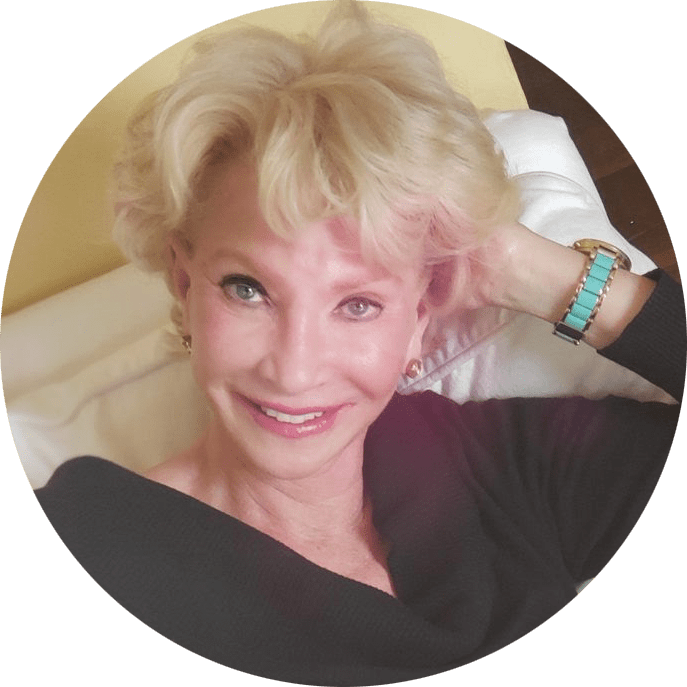
Beatty Cohan, M.S.W., L.C.S.W., A.A.S.E.C.T. is a nationally recognized psychotherapist, sex therapist, author, national speaker, national radio and television expert guest and host of the weekly ASK BEATTY SHOW on the Progressive Radio Network. She has a private practice in New York City and East Hampton. Beatty would love to hear from you. You can send your questions and comments to BeattyCohan.msw@gmail.com. For more information go to BeattyCohan.com
Vetted Hamptons Resources