Hunt Slonem Opens at DTR Modern Palm Beach March 13
 By Avalon Ashley Bellos
Color can function as argument. Repetition can function as prayer. Pattern can function as power. The forthcoming exhibition by Hunt Slonem, opening March 13 at DTR Modern Galleries in Palm Beach, arrives as a reminder that visual exuberance need not sacrifice intellectual weight. His paintings propose something more demanding than decoration: sustained looking as a form of devotion.
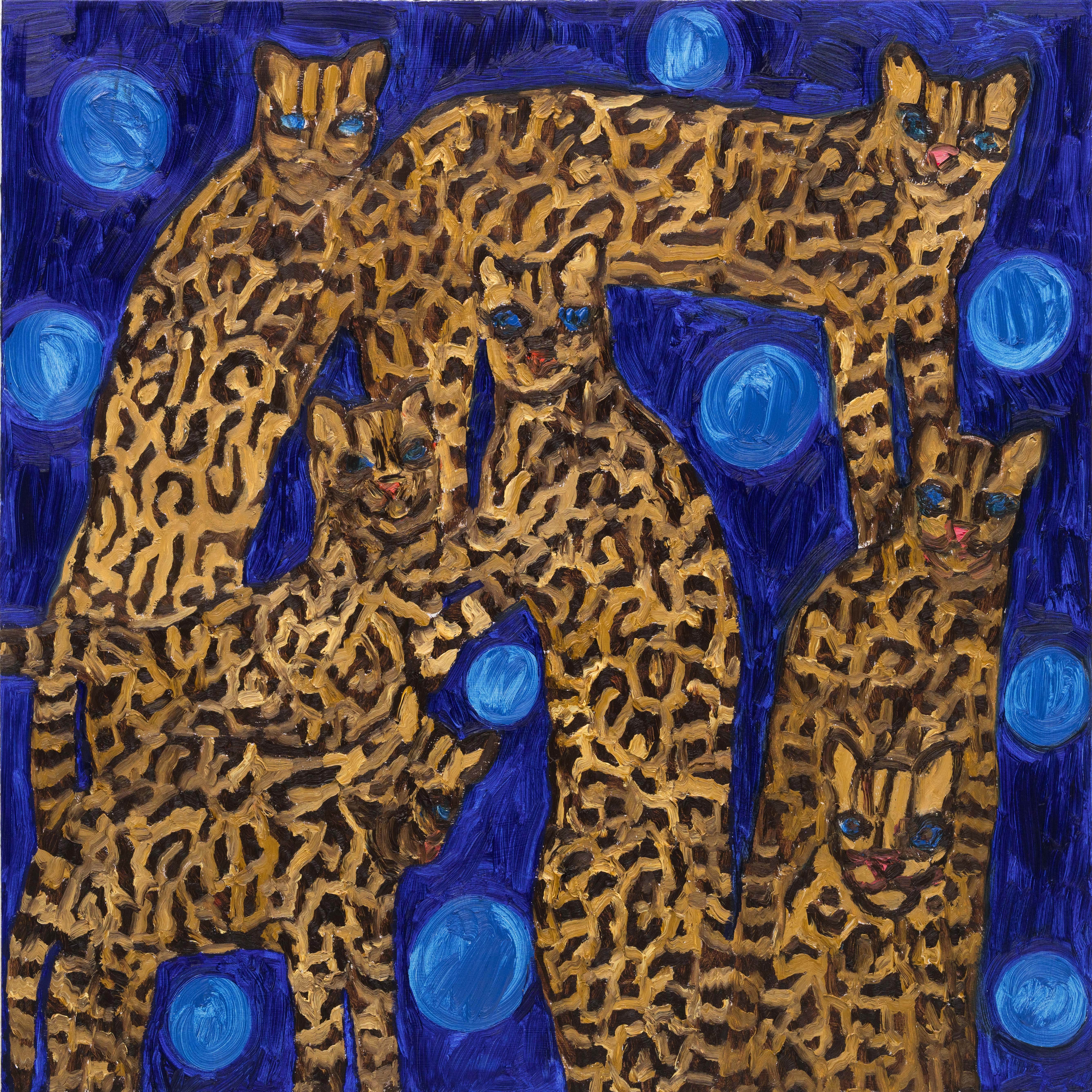
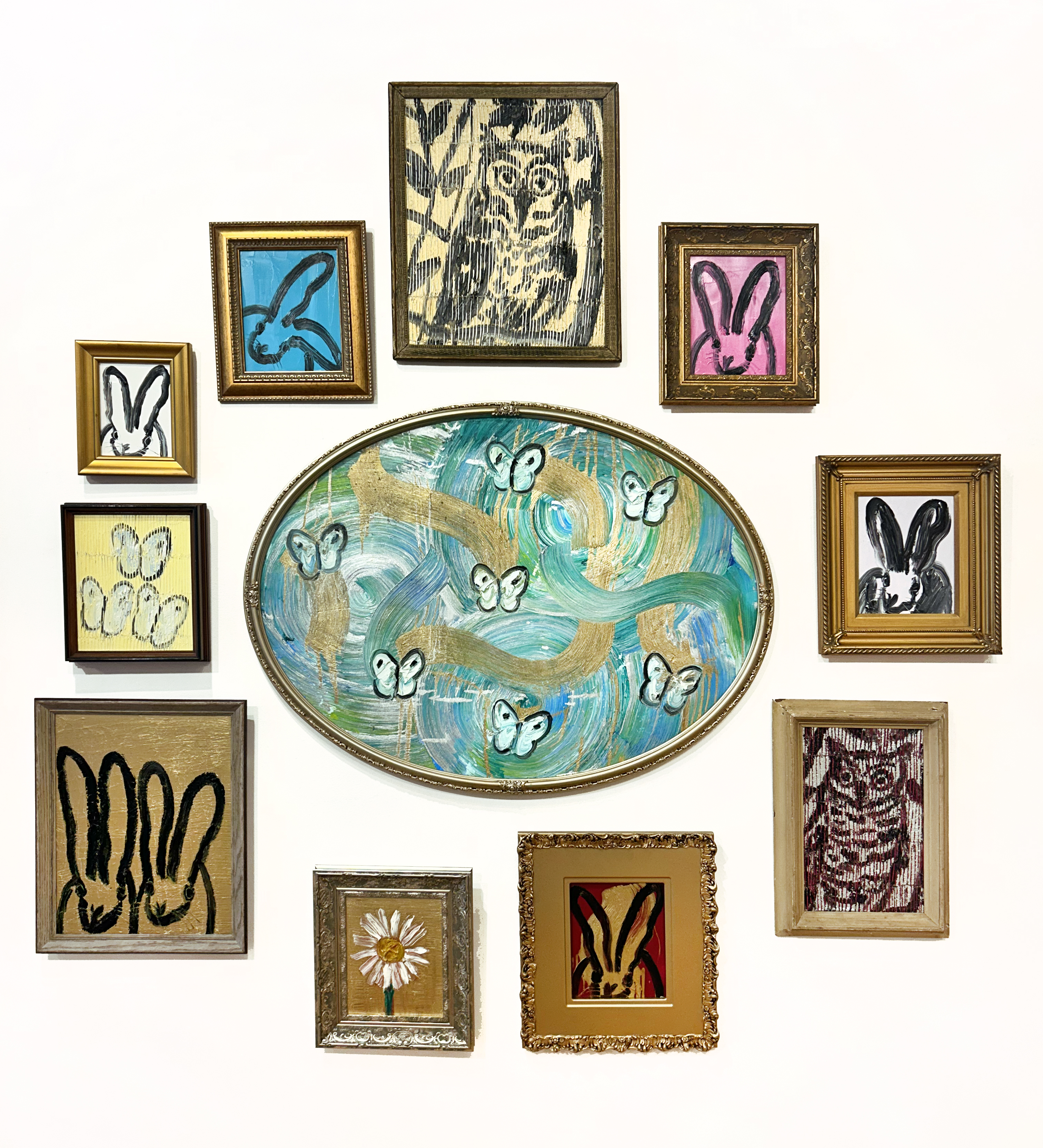
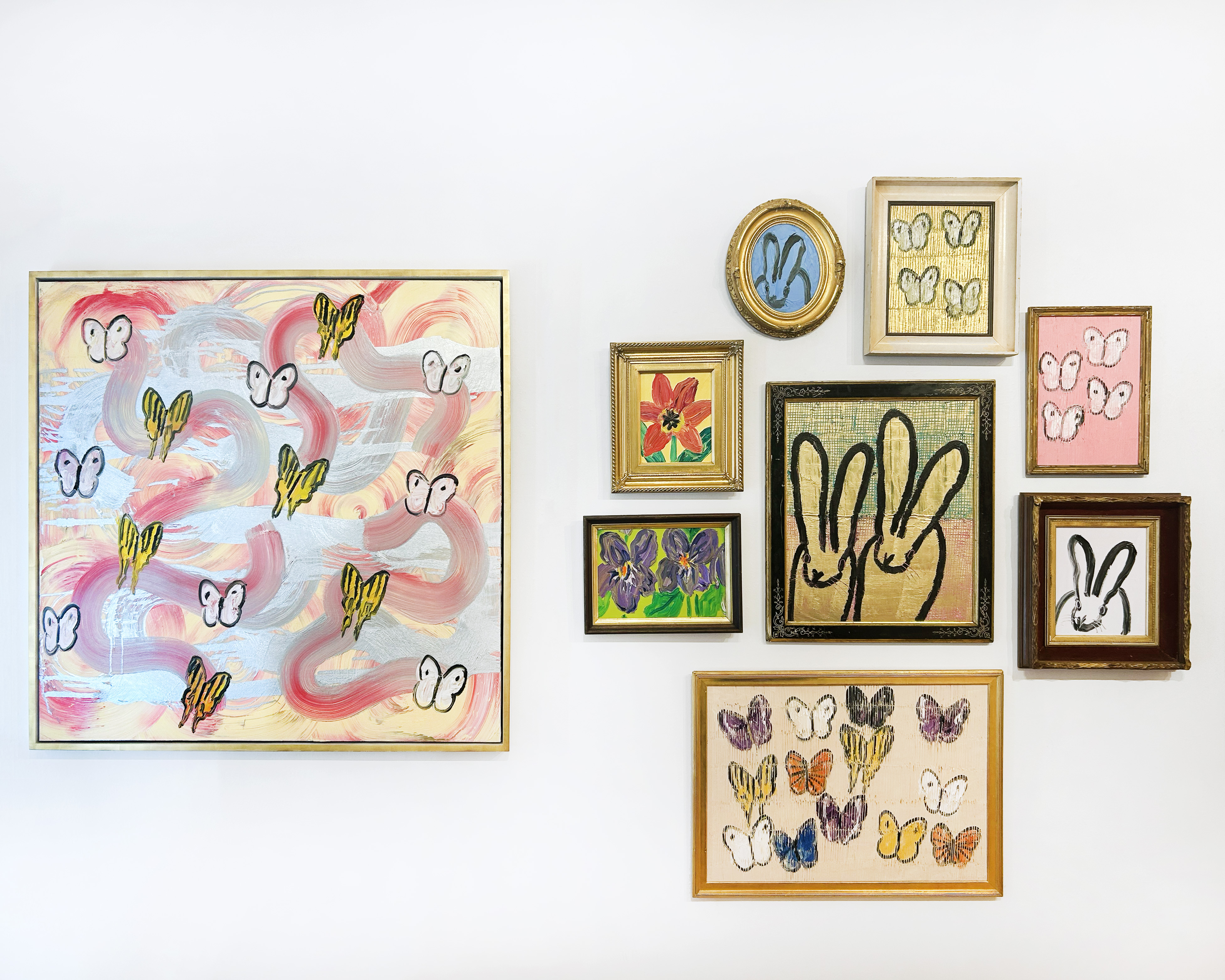
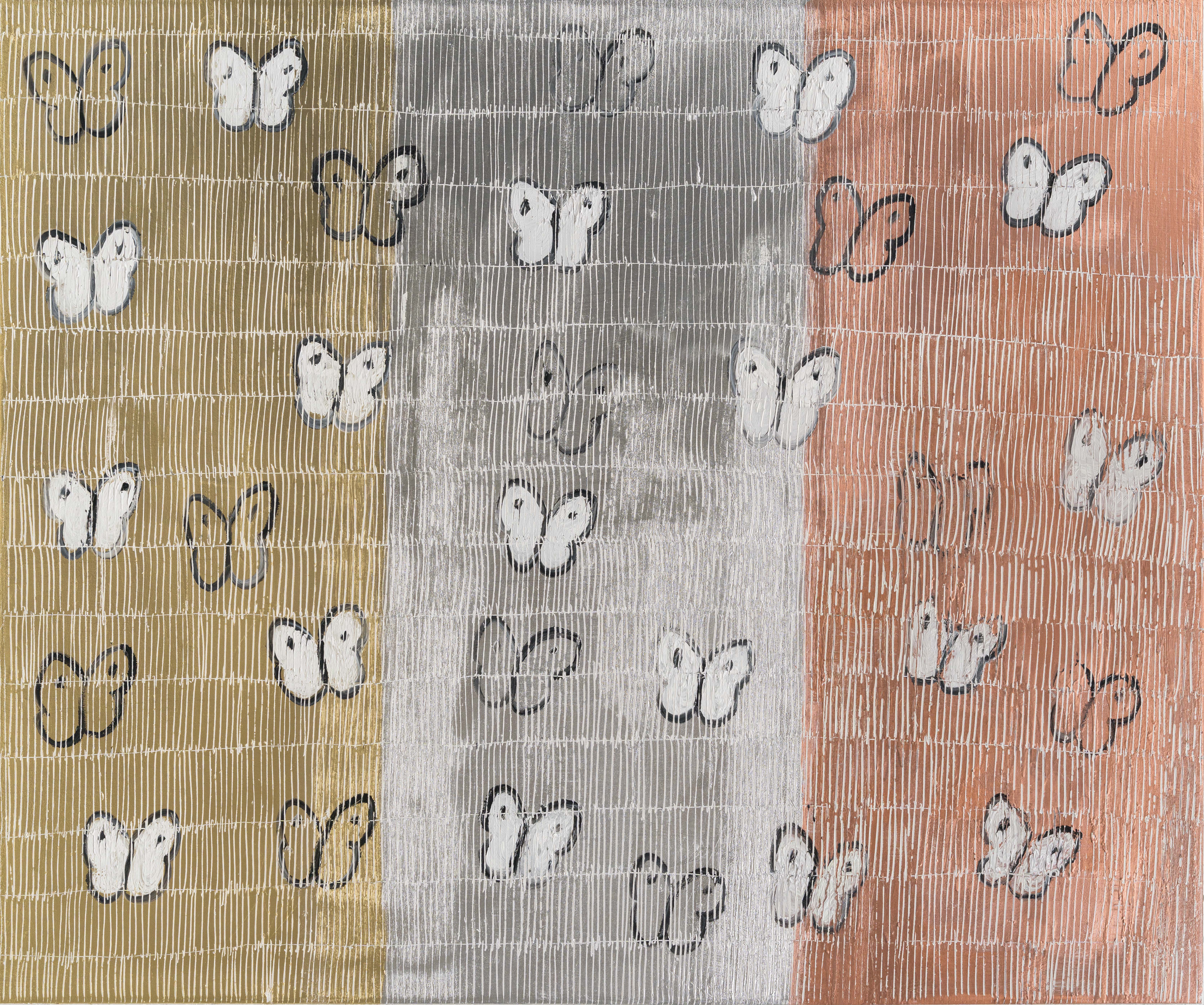
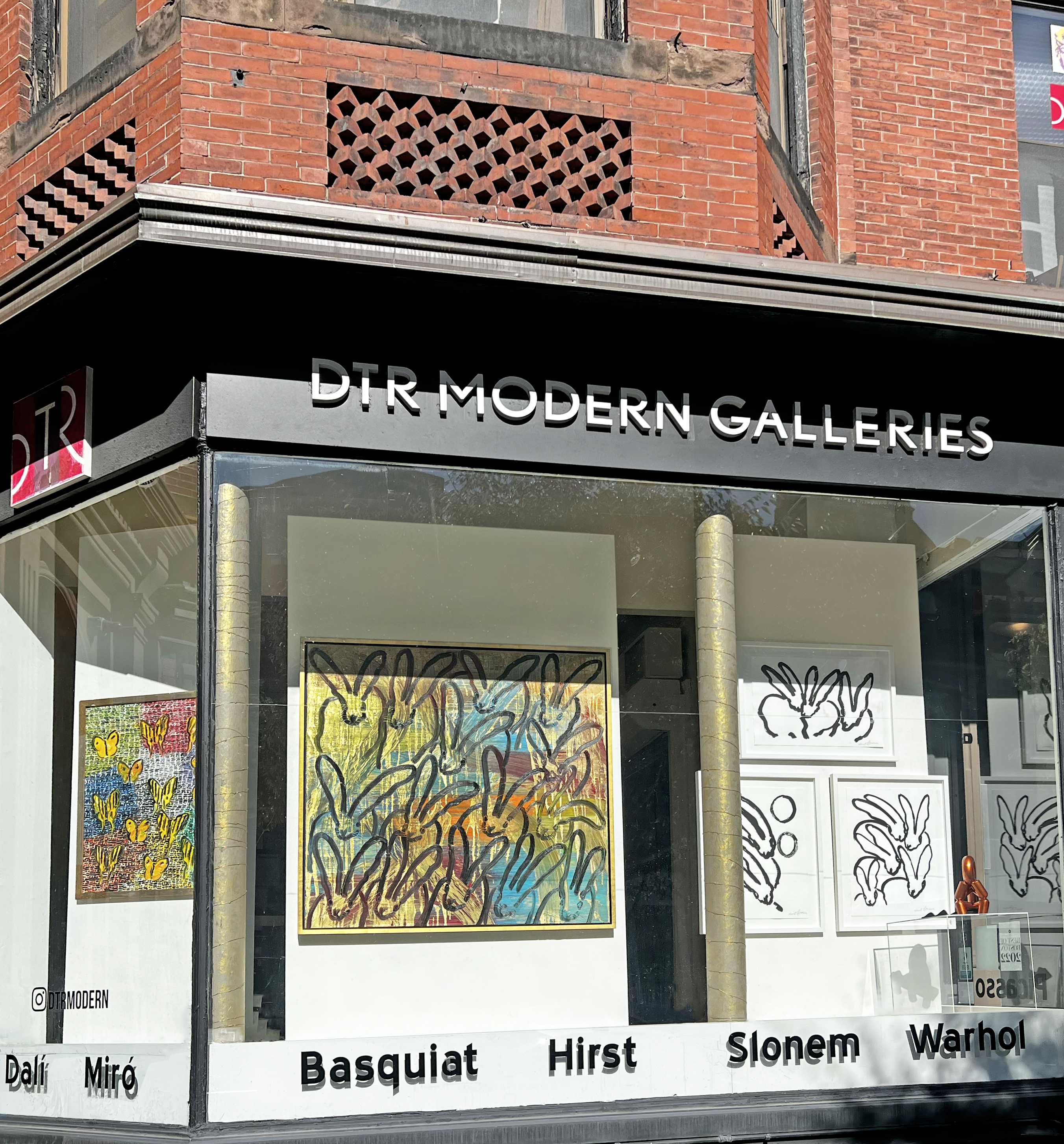
Slonem has built a decades-spanning practice on disciplined recurrence and symbolic insistence. Rabbits, butterflies, parrots, and exotic birds appear in serialized formations that read like coded language rather than motif. Each figure repeats yet never duplicates. Variation becomes philosophy. Difference becomes signal. The eye learns to slow down or miss the point entirely.
His signature cross-hatched surfaces complicate the first impression of sweetness. The lattice of overpainting creates interference, vibration, and tension. Gesture interrupts image. Mark disrupts illusion. What appears charming at distance grows structurally rigorous at close range. Surface becomes event.
Art historically, Slonem occupies a provocative intersection between Neo-Expressionism, Pattern and Decoration, and the long arc of symbolic portraiture. The chromatic audacity and gestural urgency recall postwar expressionist strategies, while his embrace of ornament, repetition, and surface density resonates with Pattern & Decoration’s challenge to minimalist austerity. His frontal creatures also echo older devotional and heraldic formats — icons, bestiaries, and court portrait conventions — where the subject functions as emblem as much as likeness. Seriality in his work invites comparison to Pop and post-Pop repetition, yet his touch remains emphatically manual, resisting mechanical coolness in favor of tactile insistence.
The Palm Beach presentation is expected to foreground his most recognized iconographies while emphasizing scale and chromatic intensity. Saturated fields — magenta, emerald, lapis, saffron — operate less as backgrounds than as atmospheric conditions. Subjects do not sit within color. They radiate through it.
Slonem’s lineage is frequently placed near Neo-Expressionism, yet that categorization only partially contains the enterprise. His visual system also draws from spiritual portraiture, naturalist illustration, and metaphysical symbolism. The animals confront the viewer head-on, frontal and unwavering, like heraldic emblems or devotional panels. The cumulative effect feels liturgical rather than whimsical.
Market appeal follows naturally from this hybrid structure. Accessibility and complexity coexist. Immediate visual pleasure pairs with formal discipline. Collectors encounter work that reads instantly yet continues to unfold across time. That dual register explains his durable presence in significant private collections and institutional holdings.
Context deepens the reading. Slonem is known for restoring historic residences and living among dense layers of antiques, aviaries, and decorative artifacts. Environment and output form a continuous aesthetic thesis: abundance curated through obsession, order extracted from profusion. The studio practice mirrors the paintings — iterative, maximal, exacting.
DTR Modern Galleries provides a fitting platform for this presentation. The gallery has established a reputation for championing blue-chip and museum-collected contemporary artists, with a program that emphasizes strong visual identities and established market traction. Its Palm Beach space, in particular, has become a destination for collectors seeking works that balance cultural recognition with visual impact. The Slonem exhibition aligns with that curatorial direction — work that is immediately legible yet historically anchored, exuberant yet structurally disciplined.
The March 13 opening positions Palm Beach as an apt stage. The city understands spectacle, patronage, and legacy in equal measure. Slonem’s work meets that audience with unapologetic visual force and underlying symbolic gravity.
This exhibition should not be approached as a pleasant encounter. It should be approached as a visual thesis on repetition, mysticism, and saturation.
Learn more at dtrmodern.com
Vetted Hamptons Resources