Tiana Life-Saving Station Museum Set to Open for the 2026 Summer Season
 By Christopher Verga
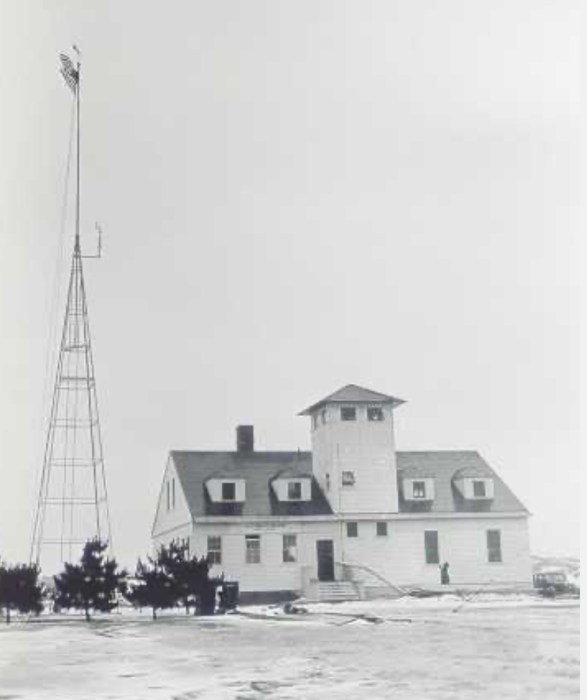
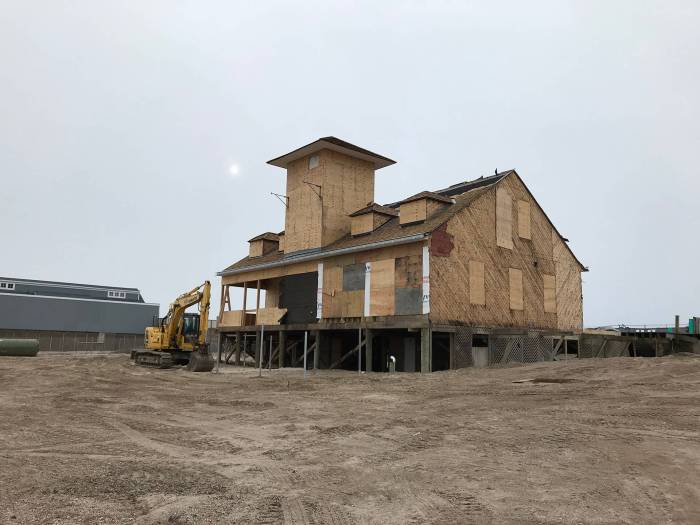
The Town of Southampton has tentatively set the beginning of the 2026 summer season as the date when the restored Tiana Life Saving Station — which was one of the first in the nation that a Black staff had run — will finally open to the public.
The planned opening comes years after the town initially expected to open the recently renovated facility, which it had purchased for $3.2 million in Community Preservation Fund money in 2014 with the goal of turning it into a historic site for self-guided tours.
“It is a very significant landmark [Tiana Station],” Southampton Town Historian Julie Greene told Dan’s Papers. “There are other Coast Guard stations in the town, but it is the only one that is not a private residence. The town purchased it years ago to preserve and restore it. Restoration is near completion, with the projected goal of being open to the public at the beginning of the summer season.”
The station’s greatest claim to fame is its World War II history.
It was January of 1942, Nazi Germany launched an aggressive U-Boat campaign in the Atlantic, sinking nine Allied ships, one of which was the Coimbra, sunk off the coast of Quogue. The following month, U-Boats sank 34 Allied ships, including the R.P Resor, which was torpedoed off the coast of Manasquan, New Jersey. Specifically targeting all boats leaving New York Harbor, U-Boat 123 under the command of Reinhard Hardegen became the number one threat to the 1,100 miles of Long Island coastline. Coastal Long Island was a priority target for the Nazis due to the large manufacturing base, shipping lanes, and Brooklyn Navy Yard.
Within four months, this threat will reach an almost unimaginable level.
The foggy night of June 13, 1942, Coast Guardsman John Cullen was alone patrolling the shoreline of Amagansett when he spotted a group of men fighting the surf in a rubber raft to come to shore. Once ashore, he counted four men with sea bags. One of the men gave Cullen a handful of cash and asked, “You will not recognize me if you saw me around town?” Not known to Cullen at the time was that these four men were part of a Nazi sedition plot to blow up New York City infrastructure called Operation Pastorius.
In a joint effort with the FBI and seditionist George Dasch, who became a cooperating witness, the operations of the New York Nazi landing cell and the Florida landing cell were exposed. The overall effect of the Nazi landing and U-Boat 123’s siege of the South Shore was the dire attention needed for coastal defense along Long Island.
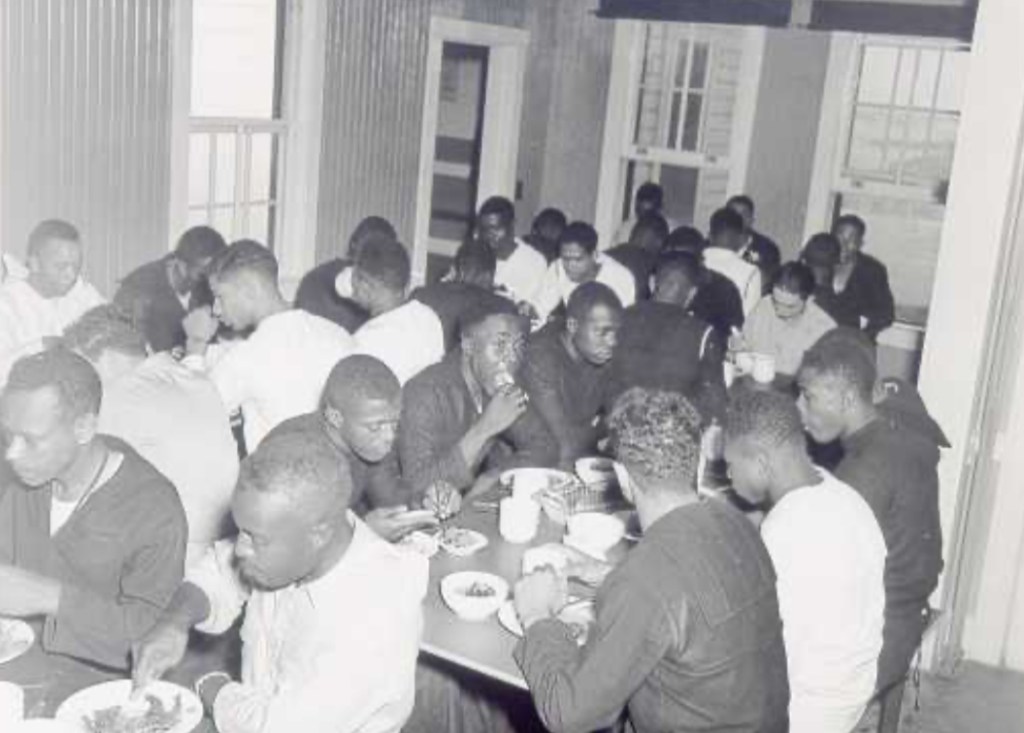
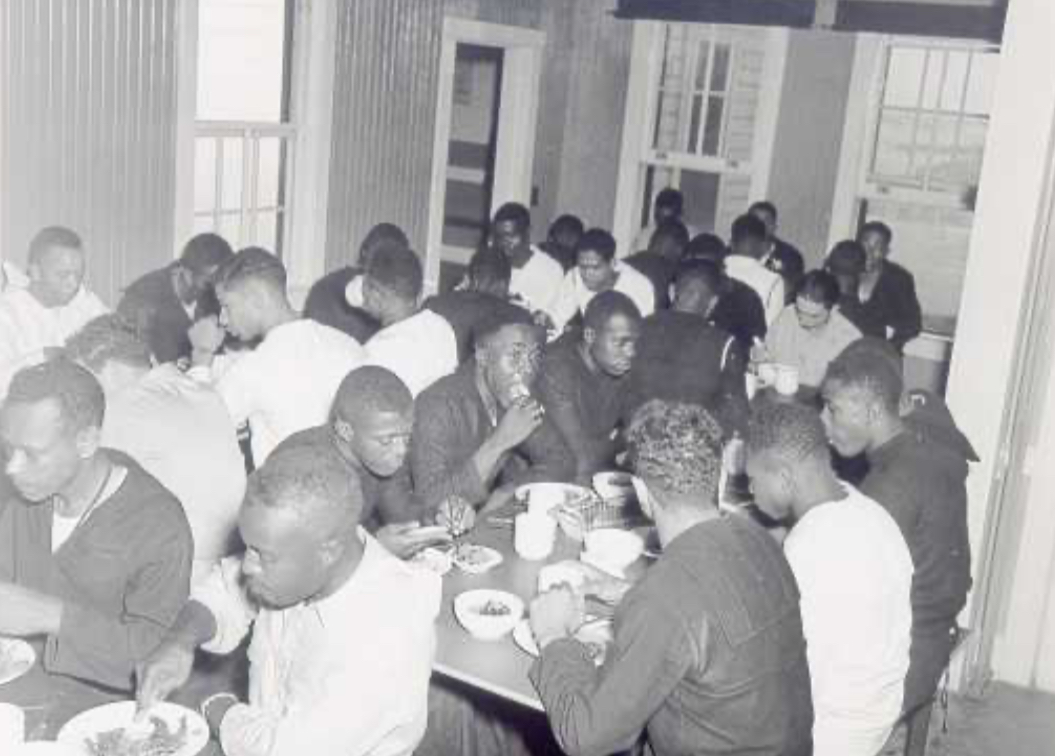
In the spring of 1942, the Coast Guard, under pressure from President Franklin D. Roosevelt, agreed to accept men of color into multiple ranks. Before this pressure, men of color were limited primarily to low-ranking positions as messmen or stewards. However, the stations, like all the other branches of the armed services, remained segregated. The first men of color base was Pea Island, North Carolina; the second was Tiana Station in Southampton.
In total, 150 men (some accounts say 136) who were stationed at the Manhattan Beach training facility would be reassigned to the Tiana Station under the command of Chief Petty Officer Cecil R. Foster, starting in late summer 1942. Their assignments would consist of conducting 24-hour patrols along the Southampton Coastline.
According to a September 1942 edition of the Sag Harbor Express, “the newest guardians of the beach will be accompanied by dogs while patrolling the lonely shore, which not too long ago a landing party of Nazi spies came ashore.”
One of the first tests at the Tiana Station took place on September 18, 1942. A makeshift raft was discovered on the beach four miles east of the station during a daily patrol by one of the guardsmen. The discovery prompted police to conduct traffic stops and search all trains, stretching from the Hamptons to Sayville. Shortly after further investigation, the searches were called off, and it was believed that the raft was floating in the water sometime, with no indication of being used by a German spy or seditionist, unlike the ones of three months ago.
Despite rigorous patrols, many of the men formed baseball and basketball teams in their downtime. The East Hampton Service Men’s Club Basketball League had competitions between all local military bases. However, the league’s greatest challenger, which attracted some of the largest crowds, was the Tiana players who held the Long Island Coast Guard Championship title. Unfortunately, the winner of this final playoff game is lost to time.
This history, along with the station’s additional legacy, will soon be open for the public to explore.
Greene, stated: “It [Tiana Life Saving Station] will be a self -guided museum that will incorporate all its history including the original 1912 commissioning of the building as Life Saving Station and the men that manned the station, World War II history with the Coast Guard as a base for servicemen of color, to the more contemporary history as club Neptune.”
Vetted Hamptons Resources