New Center Expands Stroke, Neurological Care at PBMC

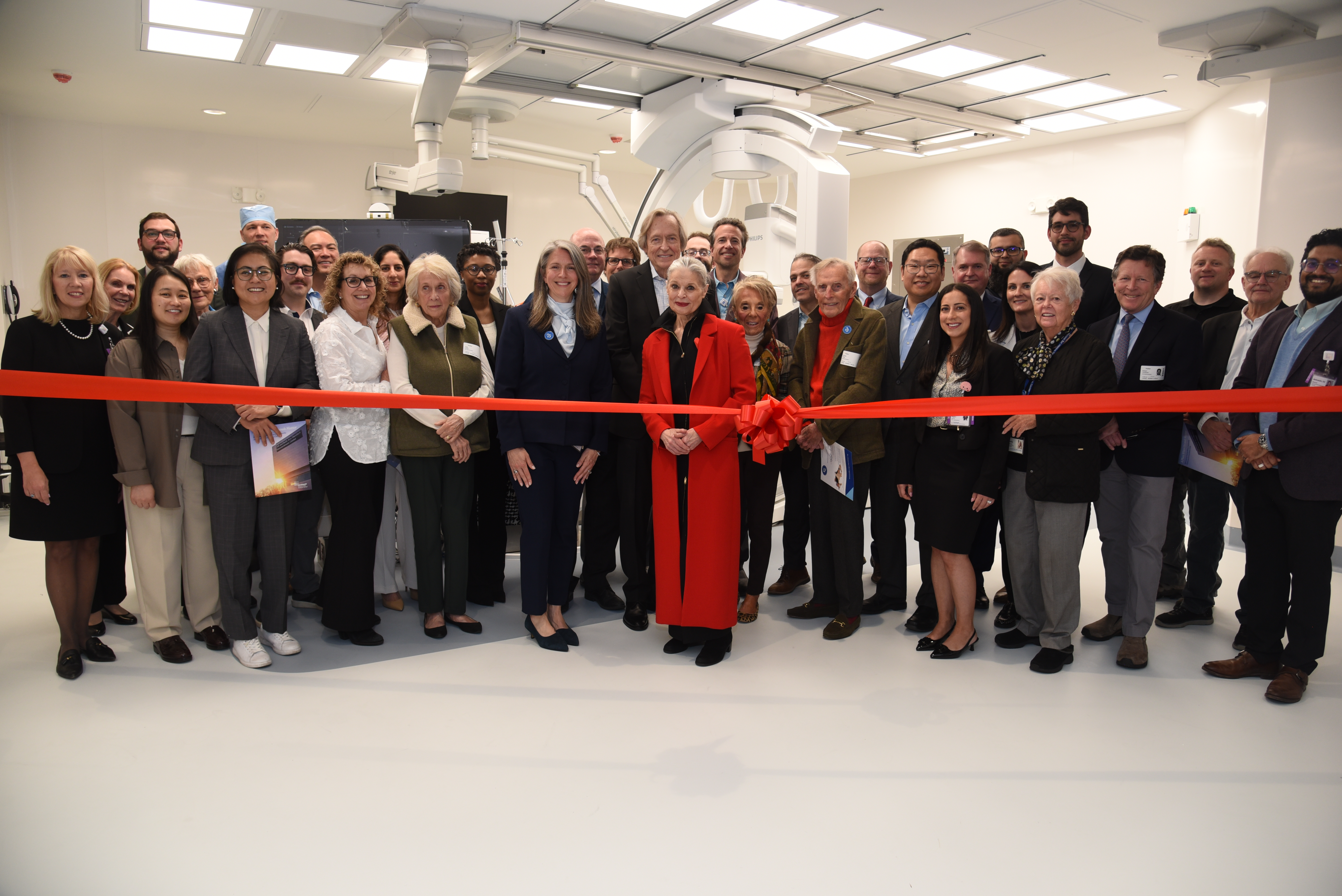
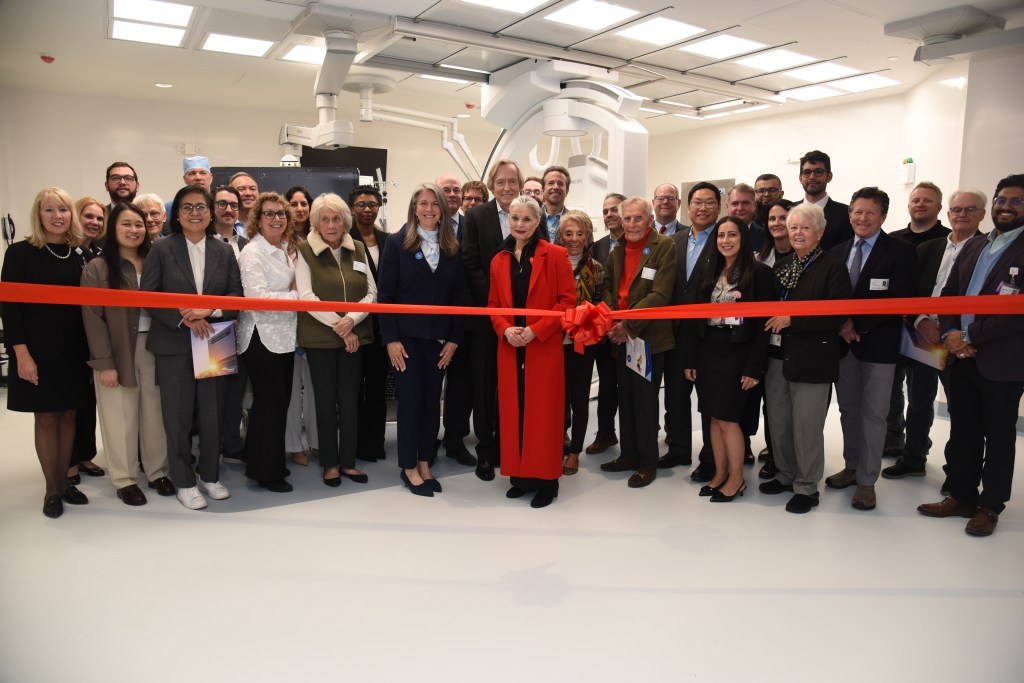
Peconic Bay Medical Center is opening a new $7.3 million center that will make it the only hospital on the East End capable of performing a specialized procedure to treat patients having a stroke.
The 1,545 square-foot Bill and Ruth Ann Harnisch Neurosciences Center will be the first in the region to perform a cerebral mechanical thrombectomy, which can remove clots and restore blood flow to the brain during an ischemic stroke, PBMC officials said. The center will also advance the hospital’s ability to diagnose and treat complex conditions affecting the brain, spine and nervous system when it is expected to open in mid-April.
“Access to specialized neurological care can make the difference between recovery and lasting disability, particularly in emergencies such as stroke,” PBMC President Dr. Amy Loeb said. “Thanks to the generosity of the Harnisch family and our community of supporters, we are expanding the level of care available to our neighbors when they need it most.”
The center was named for Southampton residents Bill and Ruth Ann Harnisch, whose $5 million donation made the facility possible. Besides a stroke, the facility will also be able to care for patients with cerebrovascular and carotid disease, brain aneurysms and vascular malformations, headaches and migraine, brain tumors, Parkinson’s disease, epilepsy, multiple sclerosis and other disorders affecting the brain, spine and nervous system.
“We care deeply about the health and wellbeing of our community,” said Bill and Ruth Ann Harnisch. “If this center means that someone experiencing a stroke or another neurological emergency can receive lifesaving care closer to home, then we feel incredibly grateful to have played a part in making that possible.”
Hospital officials noted that the advanced stroke care can be a lifesaver because East End patients previously needed to travel nearly 30 miles west for a cerebral mechanical thrombectomy — and every minute counts when trying to prevent brain damage in patients having a stroke.
“Stroke treatment is extremely time sensitive, and the ability to intervene quickly can dramatically affect a patient’s outcome,” said Dr. Richard Jung, Interventional Neurologist and Director of Stroke at PBMC. “In stroke care, time truly is brain.”
Vetted Hamptons Resources